Scaling a Media Platform
Brut., a News Media Platform
Back Office • Web • Design System • Media
Product Designer · Early 2022 – Mid-2023
Context
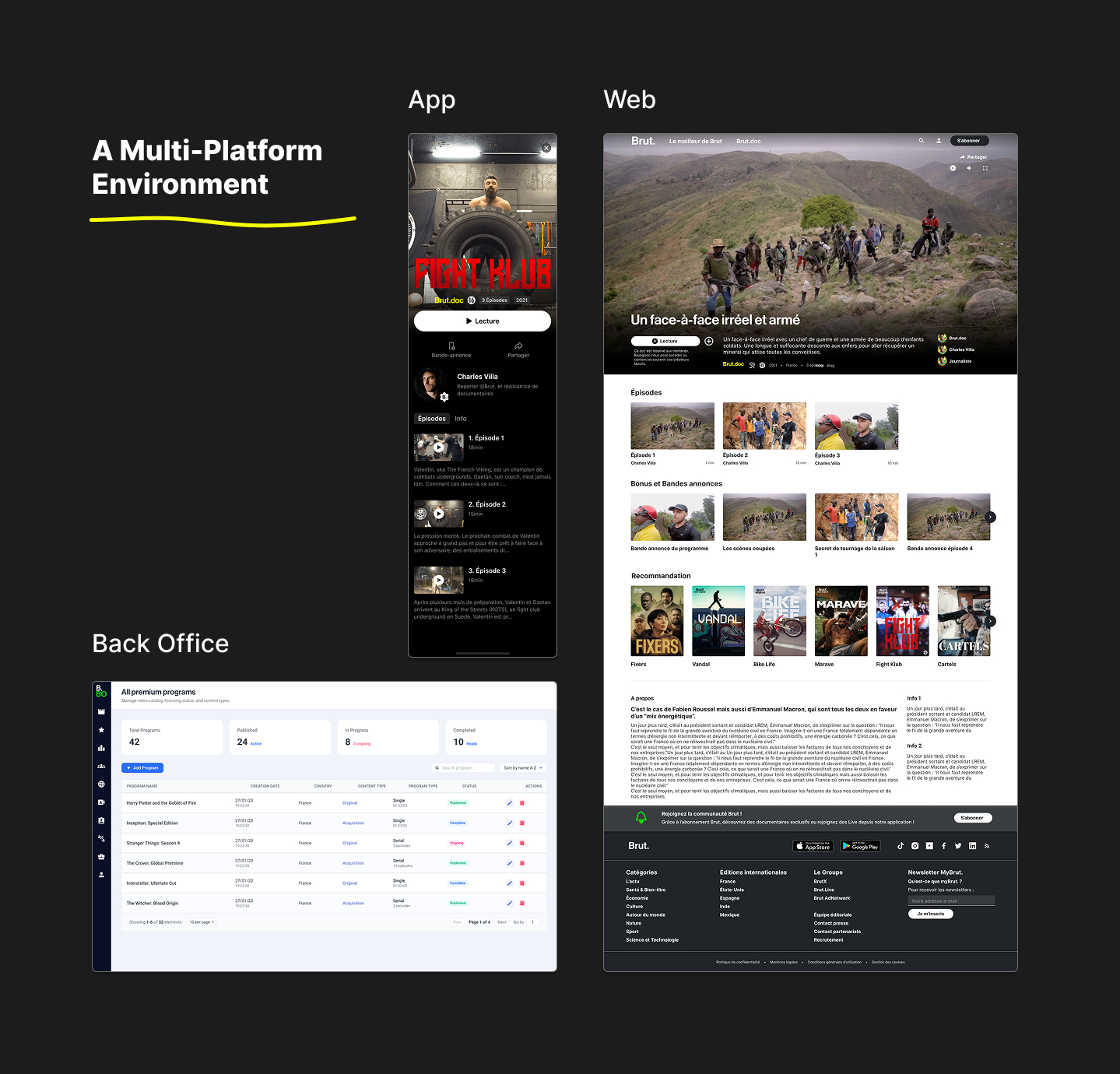
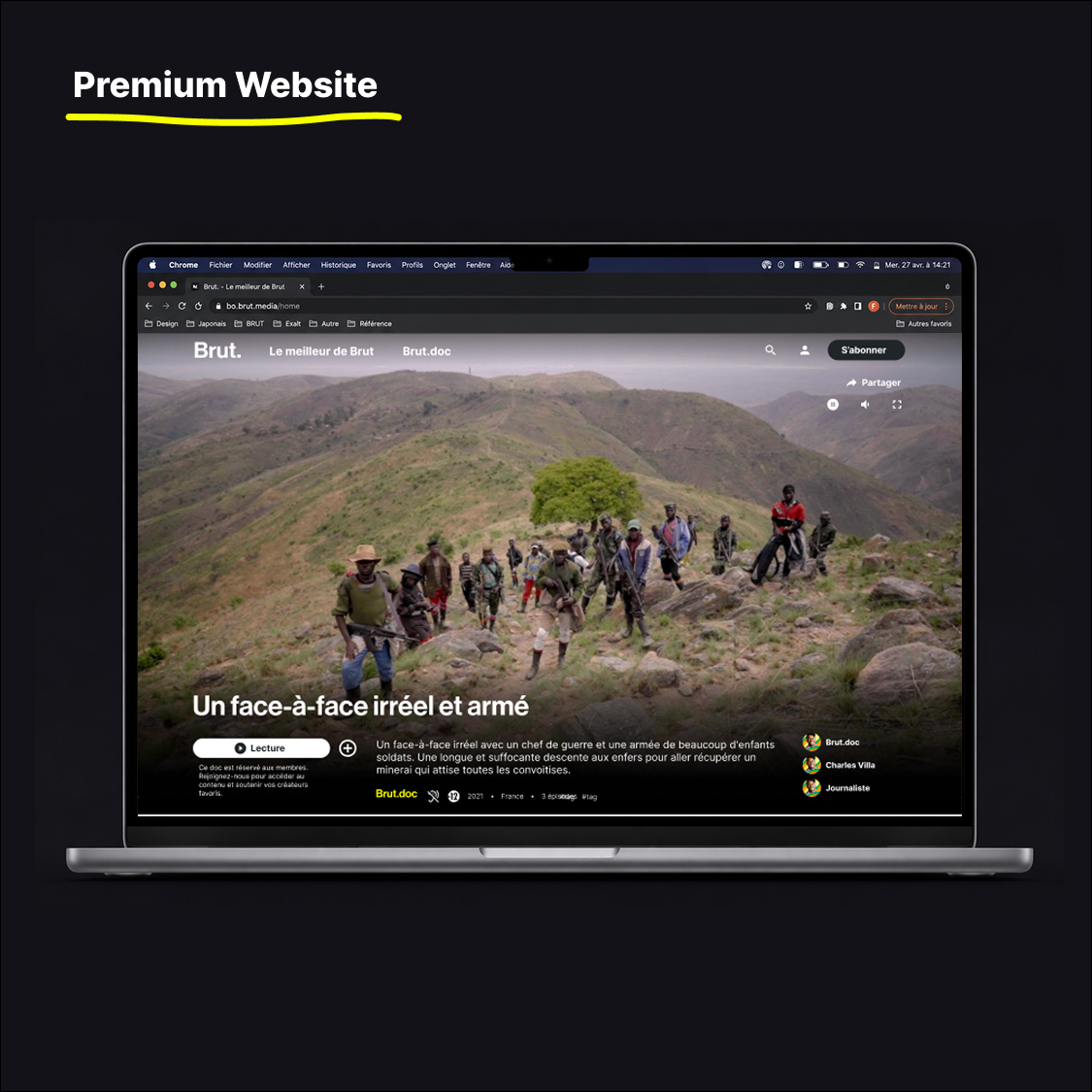
Brut. is a digital media company producing and distributing news content across the web, social media, and a premium platform.
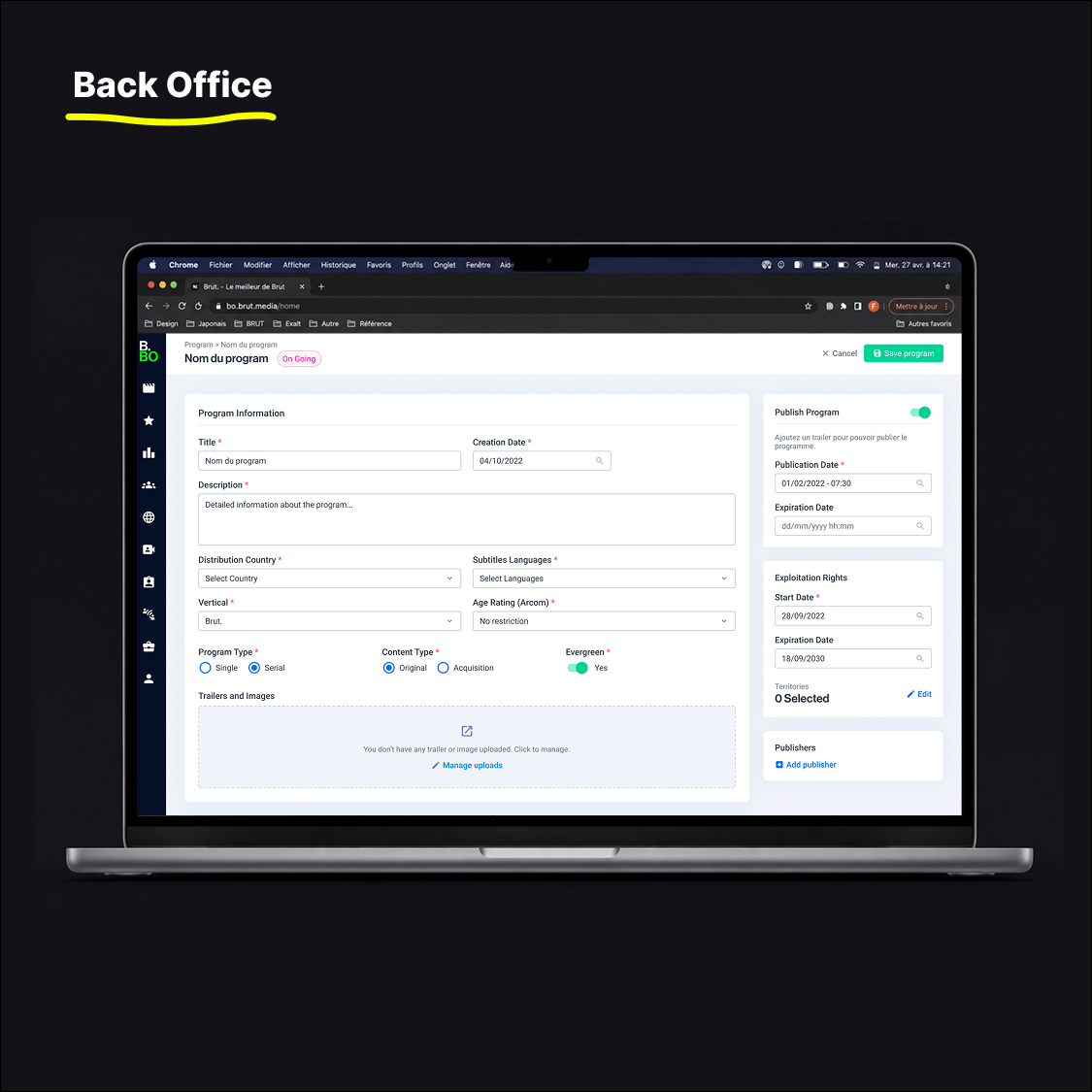
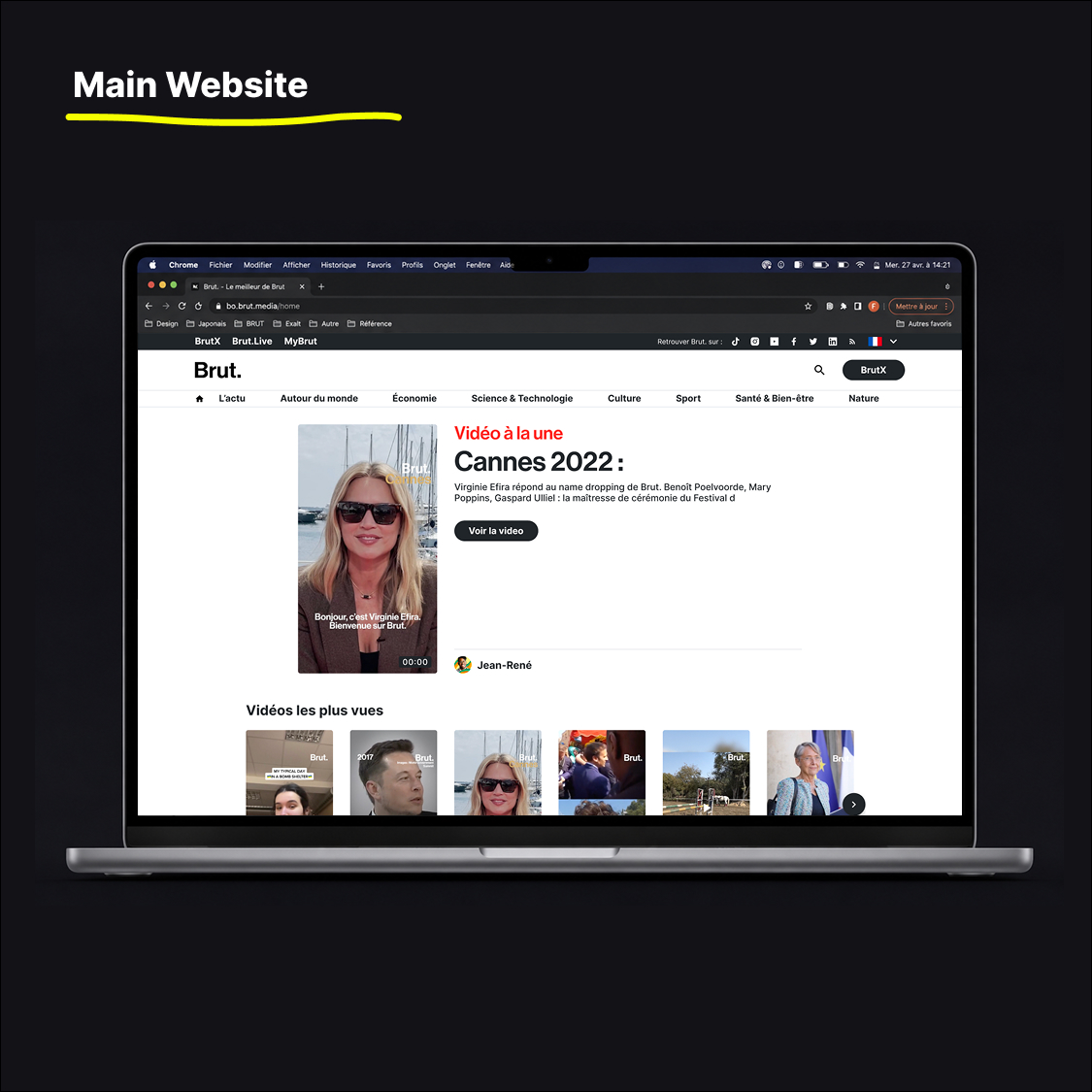
As part of the Product team, I contributed to the design of the back-office used daily by editorial teams, as well as the website redesign. In a context of rapid growth and a still-evolving organization, the challenge was to design reliable solutions quickly while laying the foundations for more effective collaboration between Product, Design, and Development.
Industry
Digital media
Platforms
Back Office, website
Users
Editorial teams, SEO specialists, journalists
Project team
Product Manager, developers, Product Designers
The Challenges
Introducing Product Design
When I joined Brut., there were no mockups, no Design System, and no established design process. The challenge was to demonstrate the value of Design while addressing the teams’ day-to-day needs.
Designing in a Fast-Moving Environment
Priorities shifted quickly, deadlines were very tight, and technical constraints were significant. Every solution had to strike the right balance between quality, feasibility, and speed of delivery.
Designing for Multiple Roles
The back office was used by different profiles ( journalists, editorial teams, and SEO specialists) each with their own needs. The challenge was to simplify complex workflows without slowing down their day-to-day work.
Building Sustainable Collaboration
Beyond the interfaces themselves, we needed to establish a shared way of working across Product, Design, and Development in order to make decisions faster and deliver consistently despite a constantly changing environment.
My Approach
Understand
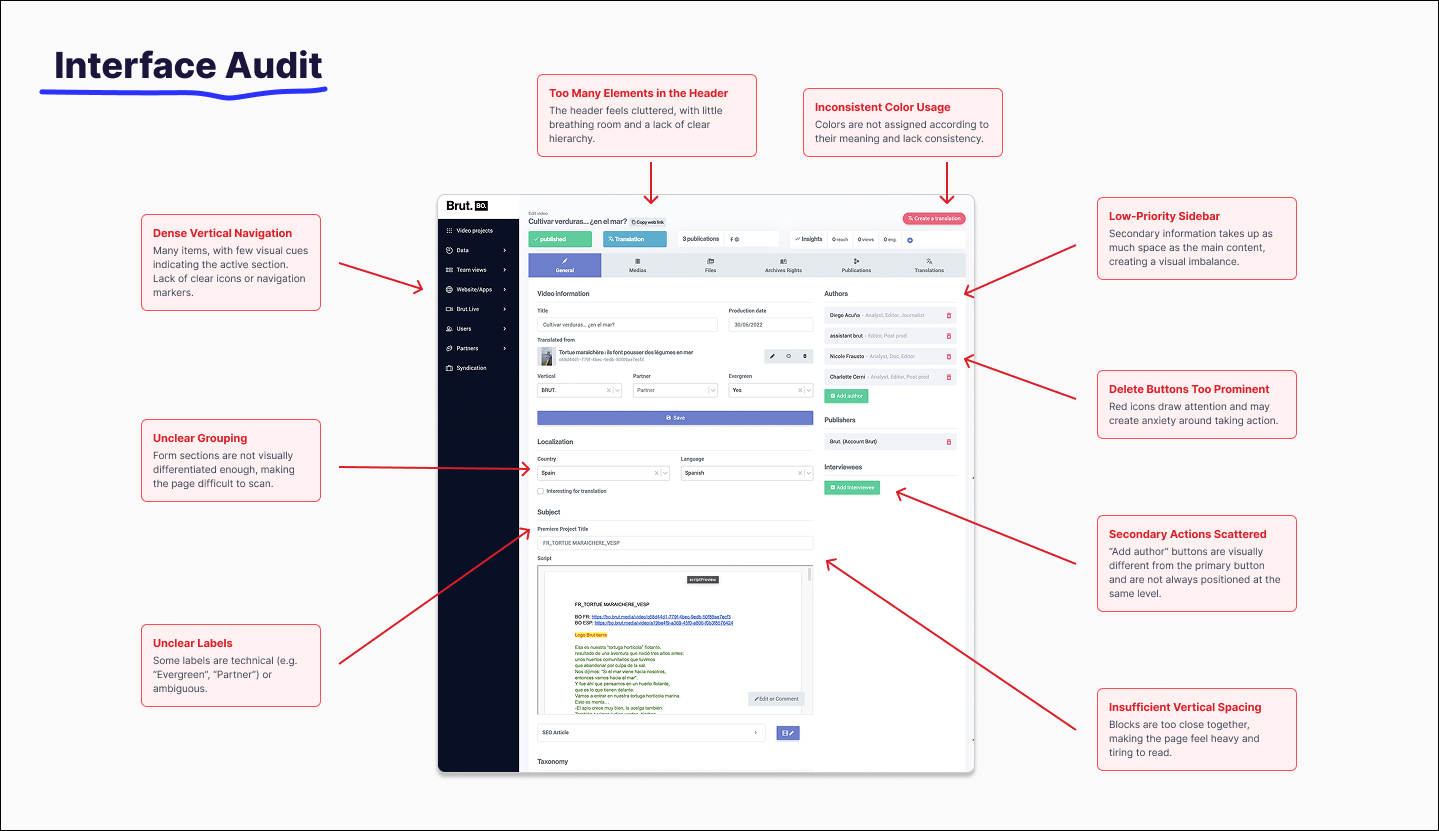
Before designing, I sought to understand how the back office and website worked, the teams’ constraints, and the dependencies between the different products. With no direct access to users, I relied on discussions with the Product Manager and developers, as well as product observation, to identify the main challenges.
Define
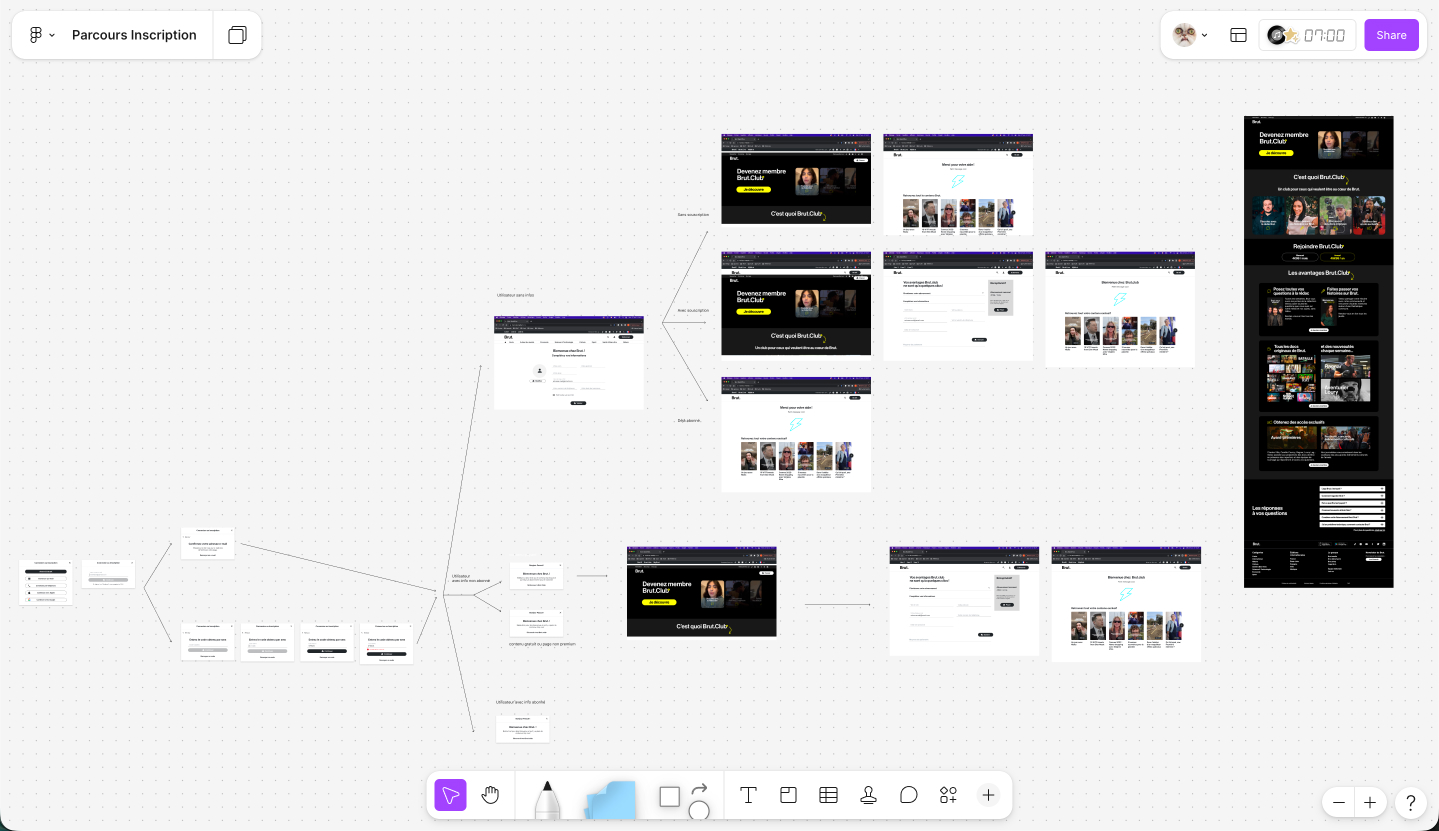
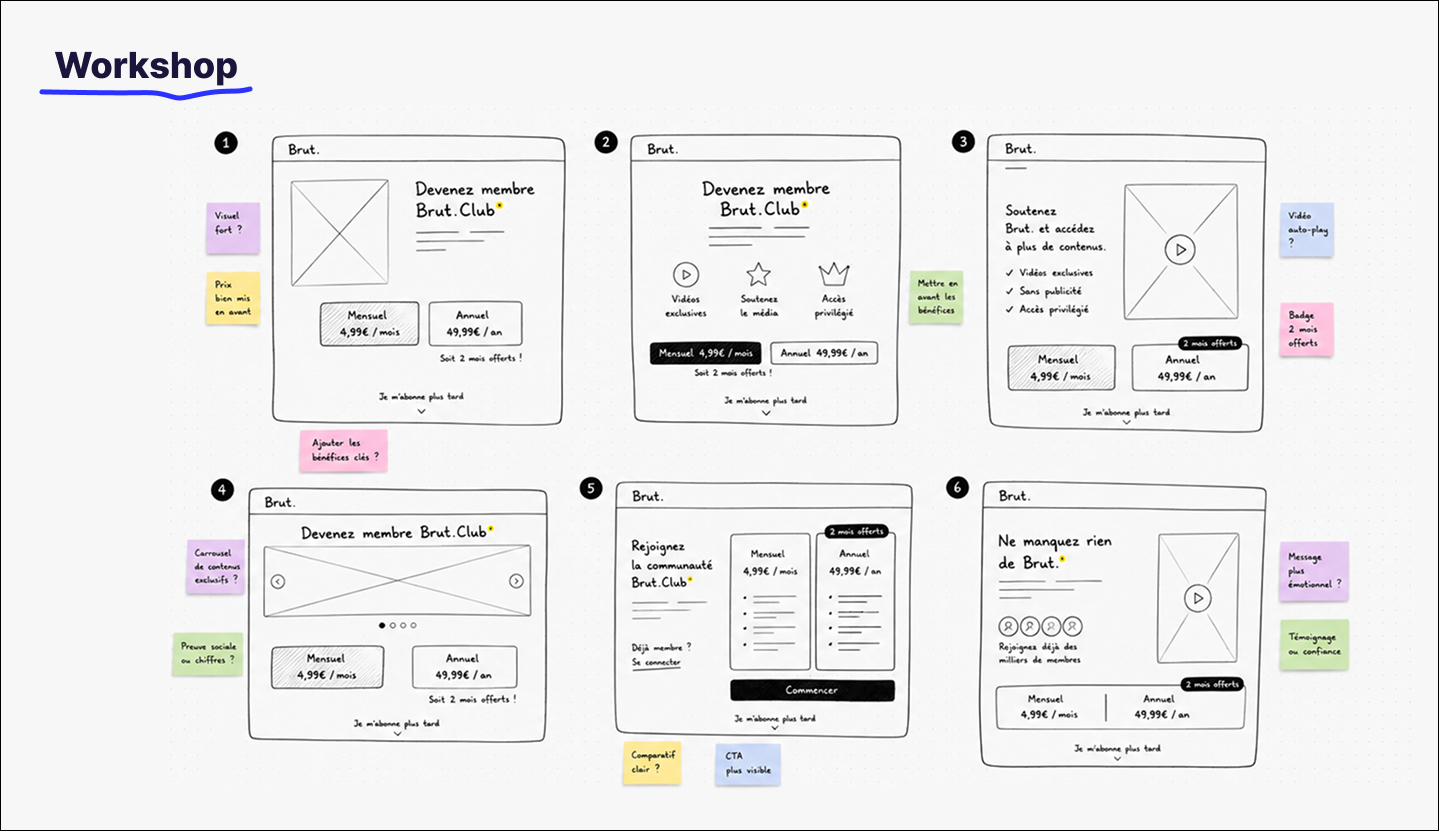
I progressively recreated the existing interfaces in Figma to make discussions more concrete and establish a shared working foundation. Prototypes and mockups helped align the teams quickly despite frequently changing priorities.
Design Together
Projects evolved in a context where priorities could change from one week to the next. I worked closely with the teams throughout the design process to continuously adapt the interfaces, share designs quickly, and evolve solutions at the same pace as the product.
Key Decisions
The main decisions that guided the product design and shaped its evolution.
Embrace Progressive Improvement Rather Than Pursuing the Perfect Solution
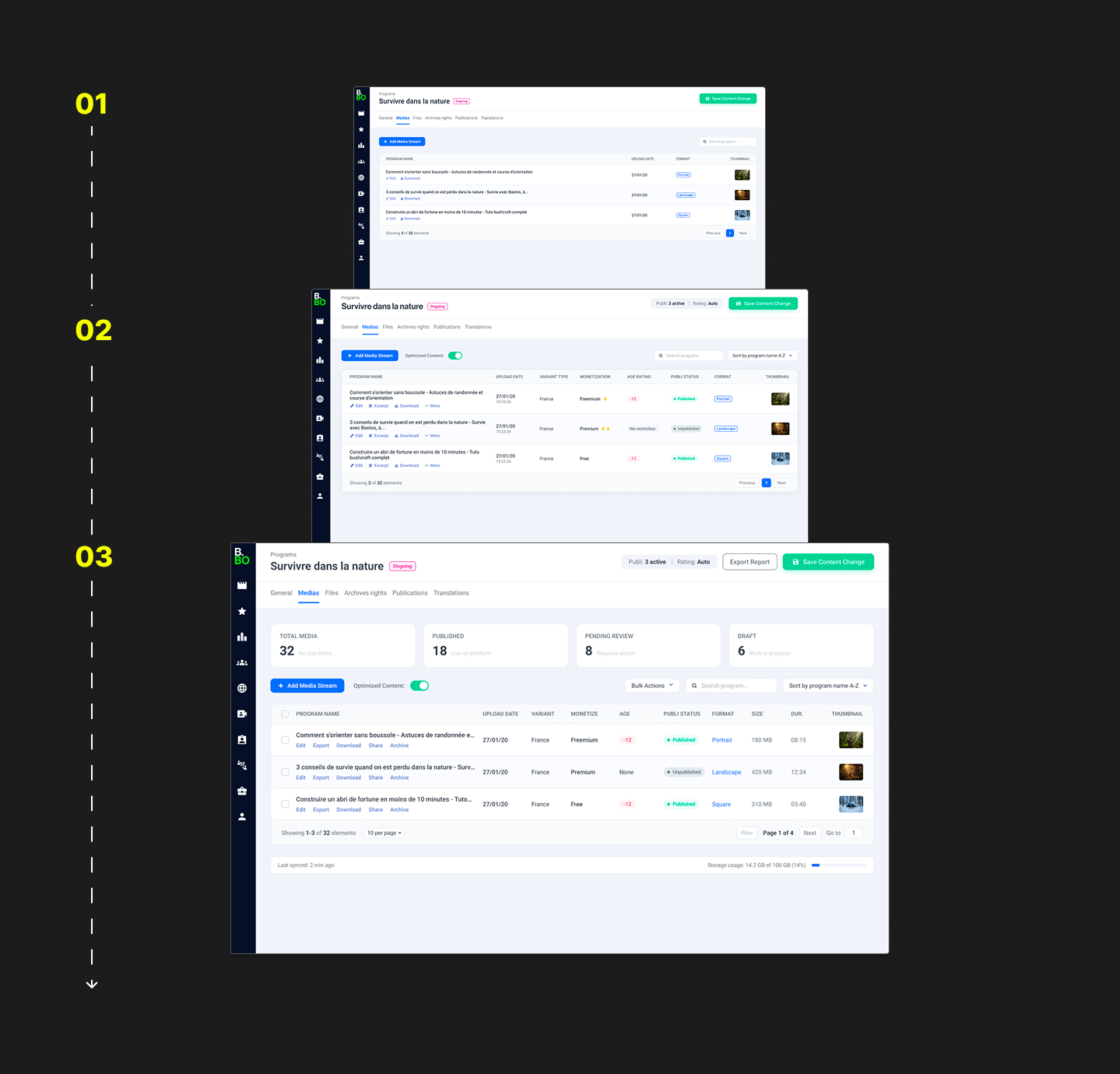
With significant Design debt, very tight deadlines, and constantly shifting priorities, rebuilding the entire product was not realistic. I chose to improve the interfaces incrementally, prioritizing solutions that could be put to use quickly and enhanced over time.
Give Design a Seat at the Product Decision-Making Table
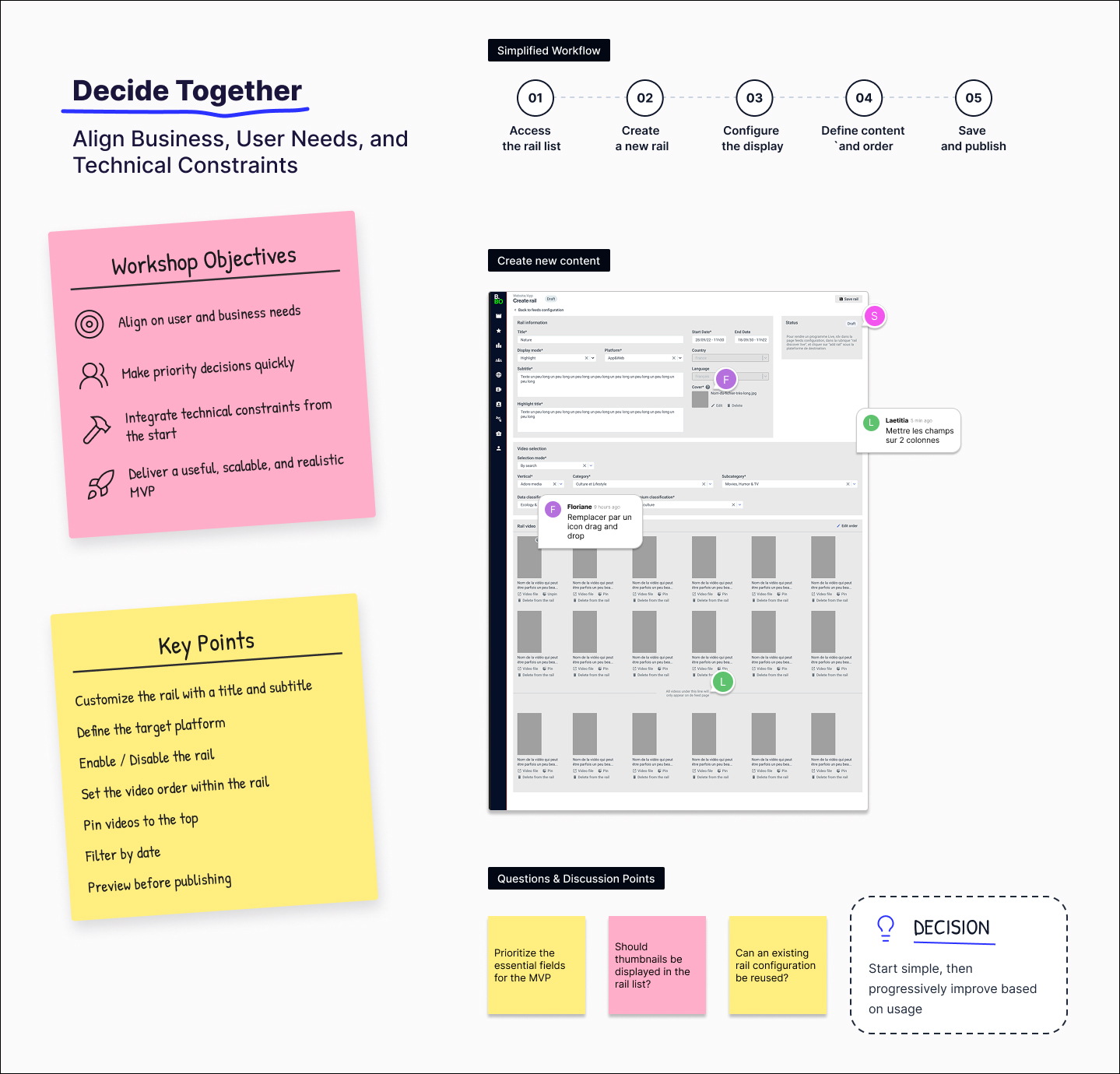
Rather than contributing only when it was time to design interfaces, I wanted to involve Design from the earliest discussions. Bringing the Product Manager, senior developer, and Design together around the same decisions allowed us to make trade-offs faster between business needs, user experience, and technical constraints.
Build a Design System Designed to Be Used
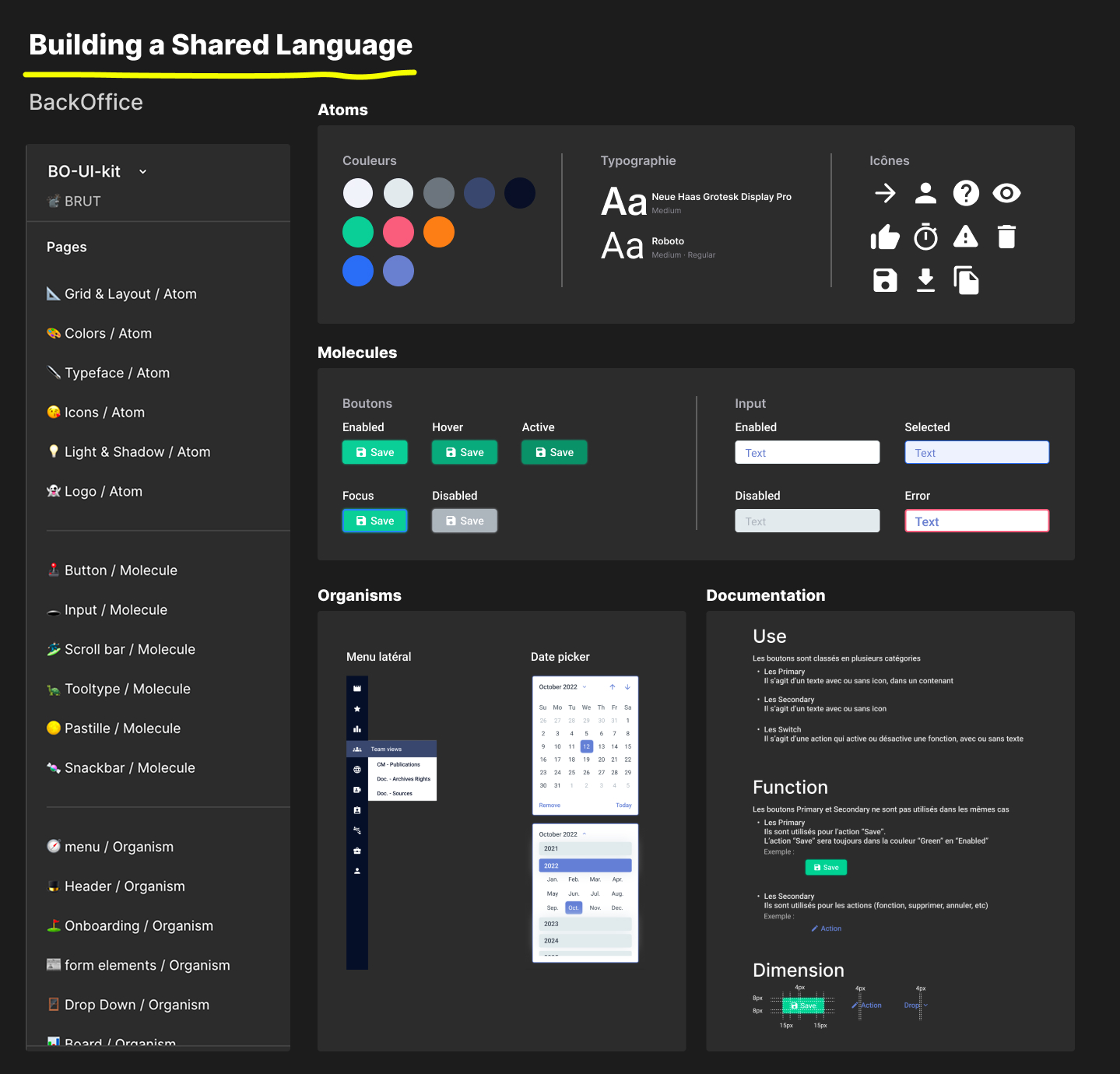
The Design System was not intended to be exhaustive. Its primary purpose was to address the team’s needs and make their day-to-day work easier. We built it progressively with developers, documenting only what brought real value to the projects at hand.
Results
For the Product
The back office progressively gained consistency and maintainability through better-structured interfaces and a shared foundation that made future improvements easier.
For the Teams
Collaboration between Product, Design, and Development gradually became more structured and fluid, enabling faster decision-making and more confident delivery despite a constantly changing environment.
For My Practice
This experience allowed me to move beyond the role of interface designer and contribute more broadly to structuring Design practices and strengthening collaboration across teams.
Looking Back
This project marked a turning point in the way I approach design. It taught me that product quality depends just as much on team collaboration as it does on the interfaces themselves.
What Worked
Making Design a partner to Product and Development helped us make decisions faster, better navigate changing priorities, and re-establish a steady delivery rhythm within the team.
What I Would Do Differently
I would spend more time meeting with back-office users. Even in a highly constrained environment, I would seek to better understand their actual workflows in order to challenge stated needs more effectively.
What This Project Taught Me
This project taught me that a product doesn’t need to be perfect to create value. By moving step by step, with an aligned team and shared decision-making, it is possible to build sustainable solutions that evolve with real-world needs.
Get in touch
I believe great products are built through collaboration, curiosity, and a genuine focus on the people who use them.
If this approach resonates with you, I’d love to hear from you and explore how we could create meaningful products together.